
Practical article
Reusing building materials requires planned logistics
A building element is only on its way to reuse when someone can remove it, preserve it and deliver it to a project that wants to use it. Several practical tasks lie between mapping and installation. Transport, temporary storage, documentation and timing therefore need to be planned alongside material selection.
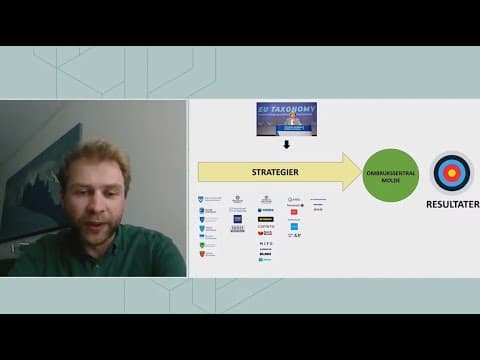
This becomes clear in the recording about reuse centres and building materials, with a presentation dated 14 March 2023. The film combines a digital visit to Ombygg at Økern in Oslo with Thomas Berge Foyn's presentation on work in the Molde region.
Clarify where the materials will go next
The Oslo section distinguishes materials stored for a customer's own project from surplus goods donated for redistribution. Both need storage, but their starting points for the next use differ.
When a receiving project is known, dismantling, transport and the storage period can be planned against expected use. When the next recipient is not yet known, visibility and accessible information become important parts of the work. The film discusses an online shop as a way to make products available to designers and buyers.
Mapping should therefore be followed by discussion of the next step: who will assess the materials, who can receive them and when are they available? This distinguishes an identified opportunity from a material flow the project has actually started to plan.
Temporary storage is part of the project
Foyn, introduced as a project manager at XPRO AS, describes an example in which dismantled office fittings in Ålesund are intended for new premises in Molde. Photographs and floor plans show glass fronts, walls and doors, and the work involved in moving them between projects.
He highlights transport, moisture and temporary storage as practical challenges. Materials must be protected between dismantling and new use. Storage therefore needs a place in the plan, with responsibility for handling and follow-up.
At the time of recording, the material transfer is ongoing. A regional reuse centre is presented as an ambition. The film shows experience and an initiative; it does not establish that such a centre was subsequently created in Molde.
Let information follow the building element
A door or glass wall must be assessed against its intended new use. The connection between the element itself and its information therefore matters. Labelling, photographs and available documentation can help those locating, assessing and handling materials.
This connects logistics to the topic in Sindre Gundersen's presentation on owners' information requirements. Using doors as an example, he discusses the relationship between function, quality, service life and the number of variants. He proposes that owners clarify more properties earlier, including with later reuse in mind.
The link between the presentations is a practical question for building owners: what information about today's deliveries will make materials easier to assess and locate later? The proposed future marketplace for reused doors in Gundersen's presentation remains a scenario, not a documented service.
Follow one material group from start to finish
One possible initial trial is to choose a single material group and follow the whole process. Identify a possible receiving project, examine the available documentation and plan dismantling, labelling, transport and storage. Allocate responsibilities before materials are moved.
When evaluating the trial, include both handling and the time between projects: what had to be clarified along the way, what information was missing and what should be in place earlier next time?
The examples from Oslo and the Molde region show why reuse needs a coherent plan. Moving materials between two projects is work that must be organised, and information must be available to those carrying it out.