Practical article
Lean, takt, Scrum and VDC: how do the methods fit together?
Understanding customer needs, developing a solution and planning construction site work are different tasks that influence one another. Design thinking, Scrum, takt and Lean offer different approaches. The question is how these methods help a project create a coherent way of working that people can follow.
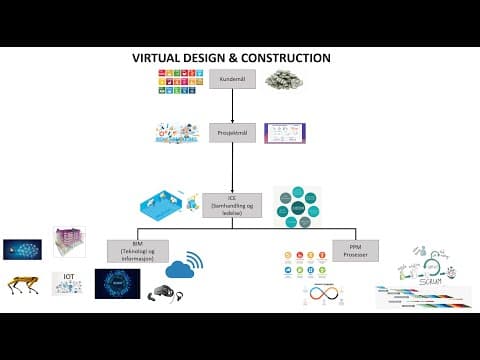
In the presentation on tools within VDC, published in May 2023, the methods are placed within Virtual Design and Construction. Customer and project objectives are the starting point. The presentation shows working methods that overlap throughout the project.
Investigate the need before fixing the solution
The presentation uses design thinking to explore needs and try simple prototypes. This allows feedback before large parts of the solution have been decided.
For the project team, this means making assumptions visible. Who will use the solution? What do they need to achieve? What should be explored through a simple sketch, model or trial before the team continues?
The answers also affect design and production. This is why the phase diagram shows overlapping methods: knowledge about how the building will be constructed must be able to influence solutions while they are still being developed.
Use short feedback cycles in design
Scrum is described through a prioritised task list and short work periods with customer feedback. Tasks can be made specific and assessed along the way so that the team learns from what is actually delivered.
In Retrospective Europe Tour from September 2021, Felipe Engineer-Manriquez discusses Scrum in design. The conversation connects smaller batches of work and frequent feedback to learning through work.
A useful question for the team is what needs to be complete enough for someone else to assess it. Feedback can then connect to a specific deliverable and decision, rather than just activity reporting.
Plan flow through spaces, trades and logistics
The VDC presentation explains takt through three connections: progress within an area, a trade's movement between areas, and logistics that must work at the right place and time. Different planning levels provide overviews and detail for different tasks.
It is therefore not enough to check whether one crew is busy. The team must also see whether an area is ready for the next trade and whether materials and other prerequisites are in place.
In the meeting with Jason Schroeder from 2021, he uses whiteboard drawings to explain handovers, waiting and work piling up. He recommends limiting work in progress, planning connections between trades and completing work continuously. This is his professional argument in the presentation; the films do not show a comparative measurement of the methods' effects.
Make the way of working sustainable
Schroeder emphasises respect for people and stable working conditions. Planning should enable crews to succeed. Training, involvement and everyday follow-up are therefore part of implementation.
The VDC presentation connects Lean to reducing waste and systematic habits through 5S: sorting, order, cleaning and visibility, standardisation and sustaining the practice. The 2021 retrospective also proposes demonstration and guided practice as follow-up to courses.
Start with one handover
A practical exercise is to choose one handover between trades or roles. Describe what the recipient needs, what must be complete and which prerequisites must be in place. Let the people doing the work examine where the handover stalls.
The team can then assess which approach helps: exploring the need further, shorter design feedback cycles, better coordination of trades or clearer daily routines. The methods gain a specific task to support, and the experience can be followed up in the next work period.
This article draws on the presenters' explanations from 2021 and 2023. It introduces the connections and does not replace training in the individual methods.